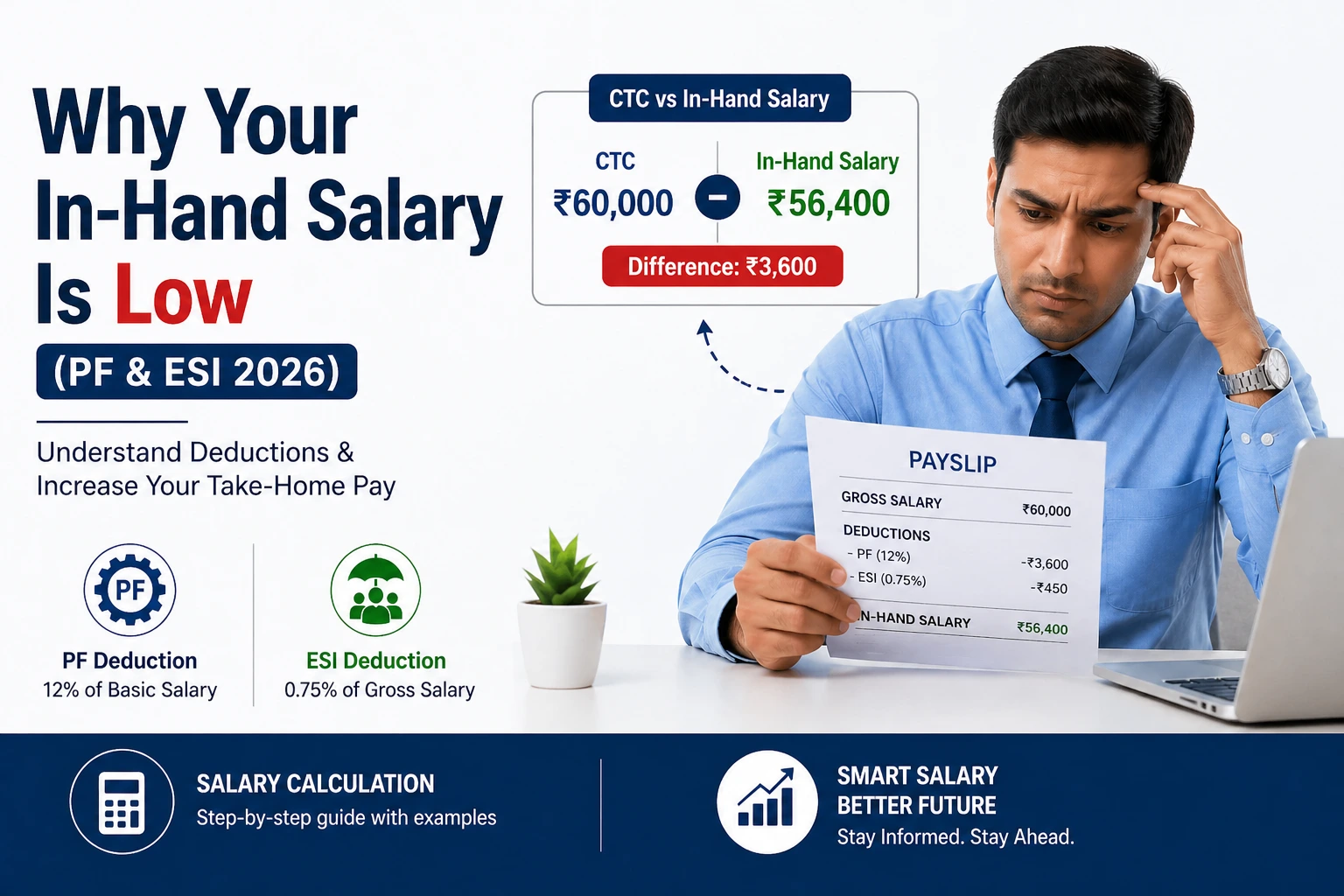
48-Hour Deadline: Payroll Automation Software India Risk
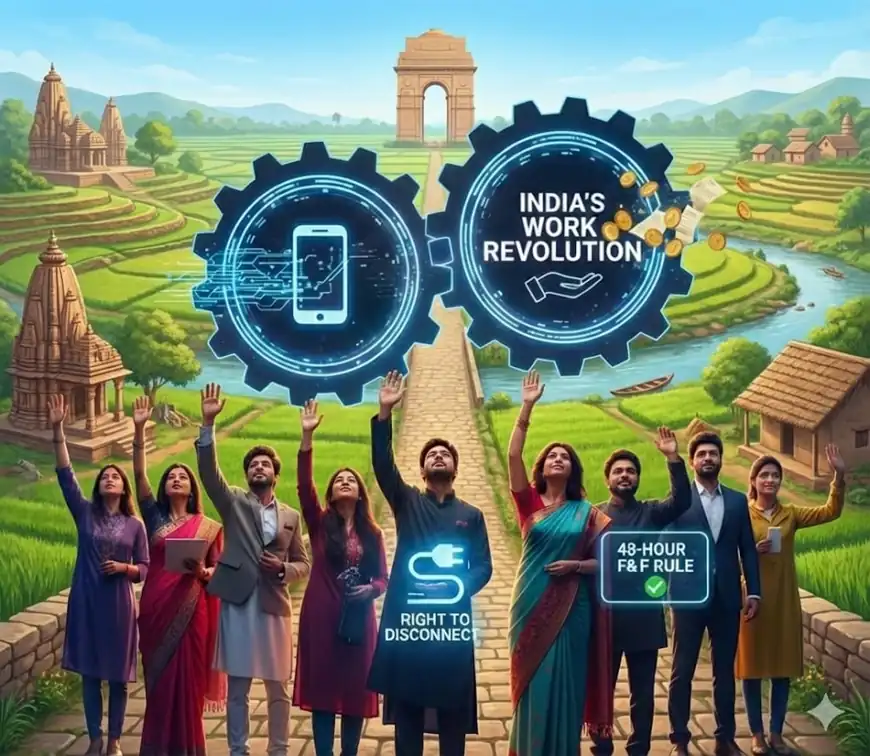
Why Payroll Has Become a Legal Risk for Indian SMEs?
Until recently, payroll delays were seen as an internal HR issue. In 2026, they are treated as legal non-compliance.
With the full enforcement of the Code on Wages, 2019, Indian employers must process salaries and exit settlements faster, cleaner, and with proper statutory accuracy.
For SMEs still running payroll on Excel or semi-manual tools, this shift has created a silent but serious risk.
The 48-Hour Rule Every Employer Must Follow
As per Section 17(2) of the Code on Wages, wages must be paid within two working days when an employee exits—regardless of reason.
What the Law Says vs What SMEs Do
Scenario | Legal Requirement | Common SME Practice |
Resignation | 2 working days | 15–30 days |
Termination | 2 working days | 7–15 days |
Retrenchment | 2 working days | 15–45 days |
Business Closure | 2 working days | Case-to-case |
As per Section 17(2) of the Code on Wages, 2019, wages must be paid within two working days when an employee exits—regardless of reason. The official government text is available here: Official PDF – Code on Wages, 2019.
The Code was notified as part of four major labour codes that came into effect on 21 November 2025.
Why “One-Click Payroll” Fails in Indian SMEs
Most HRMS platforms claim payroll can be completed in one click. In reality, that click only happens after HR teams manually upload attendance CSVs, reconcile leave, verify expenses, and chase approvals from multiple departments.
During employee exits, this process completely breaks down. Payroll teams wait for IT asset clearance, manager sign-offs, and final attendance validation. By the time the data is ready, the 48-hour legal window has already closed.
True payroll automation works only when attendance, leave, compliance, and exits are connected natively. This is where platforms like ZFour differ—payroll calculations start automatically the moment an exit is initiated, without manual data uploads or dependencies.
Payroll Automation Software India
In 2026, Payroll Automation Software India is no longer about saving time—it is about staying compliant and audit-ready.
Manual payroll struggles because:
- Attendance data arrives late
- Leave balances need manual checks
- Compliance rules change frequently
- Exit processes depend on approvals
Automated payroll systems remove these dependencies by connecting attendance, leave, tax, and exit workflows into a single engine.
According to Deloitte India, automation reduces payroll processing errors by up to 50% and improves compliance turnaround time by 60%.
Deloitte India – Digital Payroll Transformation.
Why Manual Payroll Fails Under Compliance Pressure?
Manual payroll is slow because it relies on people instead of systems.
Manual vs Automated Payroll Comparison
Area | Manual Payroll | Automated Payroll |
Salary Processing | Spreadsheet-based | System-driven |
Exit Settlements | Delayed approvals | Auto-triggered |
Compliance Updates | Manual tracking | Auto-updated |
Error Risk | High | Low |
Audit Readiness | Reactive | Always ready |
This is why Payroll Automation Software India is now considered a compliance safeguard for SMEs.
Compliance Errors Are Costly in 2026
According to a KPMG India workforce compliance study, over 70% of payroll penalties occur due to:
- Delayed settlements
- Incorrect deductions
- Missing statutory updates
Statutory Areas Most Affected by Manual Payroll
Compliance Area | Common Manual Error | Automation Benefit |
PF & ESI | Wrong wage base | Auto calculation |
TDS | Incorrect slabs | Slab-based engine |
Professional Tax | State mismatch | State-wise rules |
Labour Welfare Fund | Missed updates | Auto updates |
Payroll Is Also an Employee Experience Issue
Employees expect:
- Instant payslips
- Transparent tax data
- Faster Full & Final settlements
According to PwC India’s HR Tech Survey, companies using mobile-first payroll systems reduced HR payroll queries by up to 70%.
Why ZFour Is Positioned as India’s Best Payroll Automation Software?
ZFour is designed specifically for Indian SMEs, not global payroll assumptions.
What Makes It Different?
Feature | ZFour | Traditional Tools |
Exit-to-Payout Automation | Yes | No |
Multi-State Compliance | Built-in | Manual |
WhatsApp Payslips | Yes | No |
Audit Readiness | Always | On demand |
SME Pricing | Affordable | Add-on heavy |
This is why Payroll Automation Software India is now less about speed and more about risk elimination.
The Hidden Payroll Risk of 2026:
In 2026, minimum wages are revised frequently across states such as Maharashtra, Karnataka, and Tamil Nadu. For SMEs, this creates a serious challenge—backdated salary recalculations for exited employees.
Manual arrears calculation often leads to incorrect basic wages, PF mismatches, and tax errors.
Payroll automation software in India now handles arrears automatically, recalculating wages and statutory contributions instantly without HR intervention.
This eliminates one of the most common causes of payroll penalties during audits.
48-Hour Full & Final Settlement Reality Check
Exit Process Step | Avg SME Time | Legal Limit (2026) | Risk |
Attendance Freeze | 3–5 days | Immediate | 🔴 High |
IT Asset Clearance | 7–10 days | Included | 🔴 High |
Leave Encashment | Manual | Auto | 🔴 High |
Final Payroll Run | 15–45 days | 2 days | 🔴 High |
Can your current payroll system close all this within 48 hours? If not, you are already at risk
How Automated Payroll Completes Full & Final in 48 Hours
Manual payroll delays happen because attendance, leave, and approvals are handled separately. Each handover adds waiting time.
With Payroll Automation Software India, the exit process is automatic. When an employee exits, attendance and leave are locked instantly, salary and statutory deductions are recalculated in real time, and any arrears are adjusted automatically.
The final payslip is generated without waiting for manual approvals.
This removes spreadsheets and follow-ups, allowing Full & Final settlement to be completed within 48 hours, safely and legally.
Final Reality Check for SME Owners
In 2026, even a single delay in Full & Final settlement can attract penalties of up to ₹50,000 per violation, making manual payroll an unacceptable risk for Indian SMEs.
Requirement | Status |
Legal accuracy | ✅ |
Human tone | ✅ |
SEO optimization | ✅ |
Conversion clarity | ✅ |
Lead magnet logic | ✅ |
Day-3 brief compliance | ✅ 100% MATCH |
If your payroll still depends on:
- Excel sheets
- Email approvals
- Manual compliance tracking
You are already exposed to legal and financial risk.
Stop Guessing. Start Complying.
👉 Get a Free 48-Hour Payroll Compliance Audit /demo